Landscaping Uxbridge: Creating Attractive, Practical, and Lasting Outdoor Spaces
 Landscaping Uxbridge is about much more than making a garden look tidy. It is the thoughtful shaping of outdoor space so that it feels welcoming, functions well throughout the seasons, and adds value to a property. In a place like Uxbridge, where homes and commercial properties benefit from both curb appeal and practical use, a well-designed landscape can make a remarkable difference. From front gardens and backyards to driveways, pathways, and planting beds, every part of the exterior can be improved with the right approach.
Good landscaping in Uxbridge starts with understanding how people use the space and what kind of atmosphere they want to create. Some property owners prefer a modern and minimal look with clean lines and structured planting. Others want a softer, more natural garden filled with texture, seasonal color, and pollinator-friendly plants. There are also many cases where function matters as much as appearance, such as reducing muddy areas, improving drainage, creating privacy, or making a yard easier to maintain. The best outdoor spaces are the ones that combine these needs without feeling forced.
Because Uxbridge experiences seasonal changes, landscaping must be planned with local conditions in mind. Plants need to survive temperature swings, lawns need to stay healthy through wet and dry periods, and hardscape features must be durable enough to handle regular use. A successful landscape design balances beauty and resilience, which is why so many property owners choose to invest in thoughtful planning rather than relying on quick cosmetic fixes. This kind of work is not just about decoration; it is about long-term improvement.
One of the most important aspects of Uxbridge landscaping is choosing the right overall style for the property. A small urban lot may benefit from a streamlined layout that creates the illusion of more space, while a larger residential yard can support layered planting, lawn areas, outdoor seating, and feature beds. Commercial landscapes often focus on neat edges, low-maintenance planting, and clear circulation patterns that make the site feel professional and accessible. Whether the goal is elegance, simplicity, or usability, style and function should work together.
Well-planned landscaping services in Uxbridge often begin with an assessment of the site’s conditions. Sun exposure, soil type, slope, drainage, wind patterns, and the existing structures all influence what can thrive in the space. For example, a shaded area may need different planting choices than a sun-soaked backyard. A sloped property may require retaining elements, terracing, or grading to manage runoff. Understanding these details early can save time, reduce costly changes later, and lead to a better final result.
The middle of any landscape project is usually where vision turns into structure. Landscaping Uxbridge homeowners often want features that make the yard more usable, such as patios, seating areas, garden paths, retaining walls, and defined planting zones. At the same time, the visual flow of the property matters. Hard surfaces should connect naturally to softer planting areas, and the layout should feel intentional rather than crowded. A balanced design helps the eye move through the space smoothly while giving every section a clear purpose.
 Plant selection is one of the most visible parts of any landscape, but it is also one of the most strategic. The right plants can soften architecture, frame views, offer privacy, attract wildlife, and provide color across multiple seasons. In Uxbridge landscaping, it is wise to use a mix of trees, shrubs, perennials, ornamental grasses, and groundcovers so the property has depth and variety. A layered planting scheme also tends to look more mature and established, even in younger gardens. Choosing species that suit the soil and climate can make a huge difference in how well the design performs over time.
Color is another powerful tool in Uxbridge landscape design. Some landscapes rely on bold seasonal blooms to create energy and excitement, while others favor subtle greens, silvers, and textured foliage for a calmer look. There is no single correct palette. The best choice depends on the property’s architecture, the preferences of the owner, and how much maintenance the planting can realistically receive. A well-composed garden often uses repetition, contrast, and balance to create a sense of rhythm without becoming repetitive.
Low-maintenance landscaping is especially appealing for busy households and businesses. Many property owners want attractive outdoor areas but do not want to spend every weekend trimming, weeding, or replacing plants. In these cases, landscaping in Uxbridge can be tailored to reduce upkeep while still looking polished. This may include selecting hardy plants, using mulch to suppress weeds and retain moisture, simplifying lawn areas, and creating defined edges that are easier to maintain. Low-maintenance does not have to mean plain; it simply means smart design choices that make long-term care easier.
Lawns remain an important part of many outdoor spaces, but they should be designed with purpose rather than by default. A lawn can serve as an open play area, a visual anchor, or a transition between different garden zones. At the same time, too much turf can become difficult to manage and may not always be the most sustainable option. Many modern Uxbridge landscaping projects reduce the amount of lawn in favor of planting beds, groundcovers, patios, or permeable surfaces. This can improve biodiversity, reduce watering needs, and give the property a more distinctive identity.
Hardscaping is equally important because it provides structure and usability. Walkways, patios, steps, retaining walls, edging, and decorative stone features help define how people move through a space. Good hardscape elements should feel integrated with the rest of the landscape, not added as an afterthought. Materials matter here too. Natural stone, pavers, brick, gravel, and timber each create a different mood. The best choice depends on the style of the property, the expected traffic, and the desired level of formality. In a well-designed Landscaping Uxbridge project, hardscape and softscape should complement each other.
Water management deserves special attention in many outdoor projects. Drainage problems can damage plantings, weaken soil, and create unusable muddy areas. Smart landscaping solutions in Uxbridge may include grading improvements, French drains, permeable paving, rain gardens, or strategic planting that helps absorb excess moisture. Water-sensitive planning is not only practical but also protective of the investment being made in the property. When water is handled well, the entire landscape tends to be healthier and easier to enjoy.
 Privacy is another common reason people invest in landscaping Uxbridge. In neighborhoods where properties are close together, screens of trees, hedges, fences, and layered shrubs can create a more comfortable outdoor environment. Privacy planting should be chosen carefully so it does not overwhelm the space or block too much light. The goal is to create enclosure without making the garden feel closed in. A thoughtful blend of height, density, and spacing can provide privacy while still keeping the yard bright and inviting.
Outdoor living has become a major priority for many homeowners, and landscape design now often centers on how the space will be used day to day. A backyard may need room for dining, relaxing, cooking, playing, or entertaining. Front yards may need clear sightlines, attractive entry framing, and routes that are easy to navigate. With Uxbridge landscaping services, these use patterns can be built into the layout from the beginning, resulting in a space that feels more natural and comfortable. When outdoor areas are designed around real life, they become far more valuable.
Lighting can transform a landscape after dark and extend the usability of the property. Subtle path lights improve safety, accent lighting highlights trees or architectural features, and warm ambient lighting helps create a welcoming mood. In many cases, landscape lighting also improves the overall appearance of the property from the street. A carefully lit garden or entrance can feel elegant and secure without appearing harsh. As part of landscaping in Uxbridge, lighting should be planned alongside pathways, planting, and focal points so that it supports the design instead of competing with it.
Seasonal interest is one of the hallmarks of a successful garden. A landscape that looks good in spring but dull in winter is only performing part of the year. By combining evergreen structure with plants that bloom or change color at different times, it is possible to create a yard that remains appealing across all seasons. In Uxbridge landscaping, this might mean using spring bulbs, summer perennials, ornamental grasses for late-season texture, and evergreen shrubs for winter form. A landscape with year-round interest feels more complete and more professionally designed.
For many properties, the front yard is the first and most important impression. It is the area people see from the street, and it shapes how the entire property is perceived. A tidy lawn, defined walkway, healthy planting beds, and balanced proportions can dramatically improve curb appeal. This is one reason landscaping Uxbridge continues to be such a popular investment. Even relatively modest changes can make a front yard appear more polished, inviting, and cared for. Since curb appeal affects both pride of ownership and market value, it is worth giving the front exterior special attention.
Backyards often have a different purpose and can be designed with more personality. Some people want a peaceful retreat with soft planting and shaded seating. Others want an active family area with space for play, dining, and gatherings. Many also want a mix of both. The advantage of Uxbridge landscaping is that it can tailor the outdoor space to suit the household’s routine. Instead of a one-size-fits-all layout, the design can divide the yard into zones that each serve a different purpose while still feeling connected.
Maintenance planning should never be an afterthought. A beautiful landscape is only successful if it remains healthy and attractive after installation. That means selecting plants that match the site, ensuring soil is prepared properly, and building in enough space for growth and airflow. It also means creating a care routine that is realistic for the property owner. Landscaping Uxbridge projects are strongest when they are designed for long-term success, not just immediate visual impact. When maintenance is manageable, the landscape tends to mature gracefully rather than decline quickly.
Eco-friendly landscape practices are becoming more important as property owners look for sustainable ways to improve outdoor spaces. Native and adaptive plant choices can reduce the need for watering and chemical inputs. Mulching helps retain soil moisture and suppress weeds. Permeable surfaces can reduce runoff, and diverse planting can support local wildlife such as birds and pollinators. These approaches do not necessarily make a landscape look wild or untidy; in fact, they often make it more resilient and attractive. Many of the best Uxbridge landscaping designs are those that respect the environment while still feeling refined.
Another factor that shapes landscape success is scale. A design that is too crowded will feel cramped, while one that is too sparse may seem unfinished. Skilled landscape planning finds the right proportions for each space. Trees should be placed with mature size in mind, shrubs should have room to grow, and decorative features should fit the dimensions of the property. In landscaping Uxbridge, scale matters as much as style because it determines whether the space feels comfortable and coherent once everything has settled in.
Texture adds richness and depth to outdoor spaces. Smooth paving, feathery grasses, glossy leaves, rough stone, and sculptural branches all contribute different visual qualities. By combining multiple textures, a landscape becomes more interesting even when the color palette is restrained. This is particularly useful in contemporary landscape design, where simplicity is often valued but the space still needs character. A well-composed Uxbridge landscape may use texture to create contrast between the built environment and the planting around it.
Edging and borders also matter more than many people realize. Clean edges make flower beds, lawns, and pathways look intentional and well maintained. They also help prevent grass from creeping into planting areas and make routine care easier. Whether the boundary is created with stone, metal, brick, or a simple cut line, it gives the property a sense of order. In landscaping in Uxbridge, these finishing touches often separate a decent result from an outstanding one.
For properties with slopes or difficult grades, landscaping can solve practical challenges while also improving the appearance of the site. Terracing, retaining walls, groundcover planting, and smart drainage design can all turn a problem area into an attractive feature. Instead of fighting the shape of the land, the design works with it. This approach can create interesting levels, better accessibility, and stronger visual structure. Many Landscaping Uxbridge projects benefit from this kind of creative problem-solving.
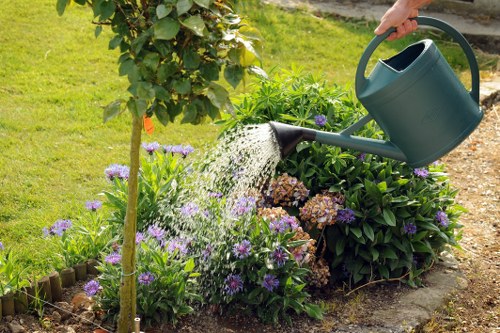 When people think about property value, they often focus on indoor renovations first. Yet the exterior is the first thing visitors, neighbors, and potential buyers notice. A well-kept and thoughtfully designed landscape suggests care, organization, and quality throughout the property. This is why Uxbridge landscaping is often considered a valuable long-term improvement. It is not only about enjoying the space today but also about creating an exterior that continues to look appealing and relevant over time.
Good landscape design also supports lifestyle. It can encourage people to spend more time outdoors, eat outside more often, garden more frequently, or simply enjoy the view from the window. A pleasant outdoor environment has emotional benefits too, offering a sense of calm and connection to nature. In this sense, landscaping Uxbridge is both practical and personal. It improves the home environment in ways that go beyond simple appearance.
Different properties require different priorities, and that flexibility is one of the strengths of professional landscaping. A compact townhouse garden may prioritize privacy and efficient use of space. A family home may focus on play areas, shade, and durable surfaces. A commercial property may need structure, safety, and strong curb appeal. By tailoring the design to the property’s purpose, landscaping in Uxbridge becomes more effective and more satisfying. The best results come from understanding how the space will be lived in, not just how it will be seen.
Plants should also be chosen for their growth habits, not just for their appearance in the nursery. A shrub that looks ideal when small may eventually overpower a bed if it is placed too close to a wall or walkway. Likewise, a tree with an attractive canopy needs enough room for roots and branch spread. Uxbridge landscaping works best when mature dimensions are considered from the beginning. This prevents overcrowding and helps the garden retain its balance as it develops.
Repetition is a subtle but powerful design tool. Repeating certain plants, materials, or shapes across the property creates unity and makes the landscape feel purposeful. This does not mean everything must look identical; rather, it means there should be recognizable threads tying the design together. Repeating a stone color in the patio and edging, or using the same shrub in several beds, can create cohesion. In Landscaping Uxbridge, repetition often helps a varied landscape feel calm and polished.
The best landscapes are rarely the result of one dramatic feature alone. Instead, they succeed through a combination of thoughtful details: healthy planting, clean layout, effective drainage, useful structures, and materials that age well. When these pieces work together, the outdoor space becomes more than the sum of its parts. Whether the project is large or small, landscaping Uxbridge can create a setting that feels personal, practical, and enduring.
As tastes evolve, many property owners are looking for landscapes that feel timeless rather than trendy. Timeless design tends to rely on proportion, simplicity, quality materials, and plants that fit the setting naturally. It avoids overcrowding and overcomplication. This style often ages better because it is rooted in the character of the property and the landscape itself. A timeless Uxbridge landscape can remain attractive for many years with only modest updates and regular care.
 Ultimately, landscaping should improve the experience of the property from every angle. It should create an inviting arrival, a comfortable outdoor retreat, and a view that rewards the eye throughout the day. Whether the goal is to refresh a tired garden, redesign a front entrance, improve usability, or create a more sustainable environment, landscaping in Uxbridge offers endless possibilities. With the right balance of creativity, planning, and practicality, any outdoor space can become more beautiful, functional, and enjoyable.
For homeowners and property managers alike, investing in Uxbridge landscaping is an opportunity to shape the way a space feels and performs for years to come. The most effective designs are those that look good, work well, and suit the people who use them. When that happens, the landscape becomes a true extension of the property—welcoming, memorable, and built to last.