Soft landscaping in Uxbridge
If you are looking for soft landscaping in Uxbridge, you are likely planning to improve the parts of your property that make the biggest visual difference: lawns, borders, planting, turf, hedging, soil, mulch, and all the living elements that turn an outdoor area into a space you actually want to use. Whether you own a family home near Uxbridge town centre, manage a rental property in Cowley, or need reliable grounds support for a commercial site close to Stockley Park, soft landscaping is the finishing layer that brings structure, colour, softness, and long-term value to a garden or frontage.
Unlike hard landscaping, which focuses on paving, walls, patios, fencing, and built structures, soft landscaping is about the living and growing side of your outdoor space. It is the part that changes with the seasons, helps a garden feel settled, and creates a more natural balance around paths, driveways, entrances, and seating areas. A well-planned scheme can make a compact courtyard look calmer, help a large family garden feel more usable, and give a business frontage a professional, cared-for appearance.
In Uxbridge, outdoor spaces vary a lot. You will see everything from post-war homes with practical back gardens to newer developments, terraced properties with limited access, larger detached houses, and commercial plots that need tidy, presentable planting all year round. That variety matters, because the right planting, turf choice, and maintenance approach for one property may be completely wrong for another. A local soft landscaping team understands those differences and can recommend solutions that work for the space you have, not just the look you want on paper.
Why soft landscaping matters for Uxbridge properties

Soft landscaping does far more than make a garden look “nice”. It changes how you use your space, how easy it is to maintain, and how well the outdoor area works with the building itself. For homeowners in Uxbridge, this can mean a lawn that is easier for children to play on, planting that gives privacy from neighbours, or a border design that stays attractive without demanding constant attention. For landlords and commercial property owners, it can mean a cleaner, smarter first impression for tenants, clients, staff, and visitors.
Many local customers search for soft landscaping because they have a garden that feels unfinished, patchy, or difficult to manage. Perhaps the turf has worn out, the soil is poor, the planting is overcrowded, or a previous job has left the space looking tired. In these cases, a soft landscaping service can reset the area and create a fresh base that is suitable for real use rather than just occasional viewing.
In and around Uxbridge, weather exposure, drainage conditions, shade from mature trees, and traffic or footfall can all affect how well a garden performs. A professional approach takes these factors into account, helping you avoid common issues such as waterlogging, poor plant establishment, bare lawn patches, or borders that fail to thrive. If you want a result that lasts, the planning stage is just as important as the planting stage.
What is included in soft landscaping?
Soft landscaping services can be tailored to suit simple refresh work or a full garden transformation. The exact scope depends on your space, your goals, and the current condition of the site. A typical service may include lawn installation, planting schemes, soil improvement, hedge planting, edging, mulching, bed preparation, and seasonal replacements where required. It may also involve reshaping existing borders to create a cleaner layout and better planting structure.
Common soft landscaping tasks include:
- Preparing soil and improving ground conditions before planting
- Installing new turf or reseeding tired lawns
- Planting shrubs, perennials, grasses, trees, and seasonal colour
- Creating or refreshing flower beds and border areas
- Adding mulch or decorative bark to help retain moisture and reduce weeds
- Planting hedges and screening plants for privacy
- Replacing failed planting in established gardens
- Designing low-maintenance planting for busy households or businesses
Some projects involve a full redesign, while others are smaller improvements that make a significant difference without changing the whole garden. For example, a front garden in Uxbridge might only need a neat planting layout, fresh topsoil, and lawn repair to look much better. A larger rear garden could benefit from layered planting, improved drainage, and a plan that creates interest throughout the year.
Soft landscaping for homes, landlords, and businesses

One of the strengths of soft landscaping in Uxbridge is that it works for many different types of customer. Homeowners often want a garden that feels private, family-friendly, and easier to care for. Landlords may want durable planting and tidy lawns that stand up well between tenancies. Commercial clients, including offices, retail units, and shared premises, usually need a smart, reliable exterior that looks professional without requiring heavy intervention every week.
Residential gardens in Uxbridge often need to balance beauty with practicality. Many homeowners want planting that brings colour and softness, but they also want something realistic for day-to-day life. That may mean choosing hardy species, reducing the area of high-maintenance lawn, or creating a layered scheme that looks full without becoming difficult to manage. If you have children, pets, or a busy schedule, these practical choices can make a major difference to how much you actually enjoy the space.
Commercial and managed properties have different pressures. A business frontage near a busy road, for example, needs plants that cope with exposure, retain shape, and do not create an untidy appearance between visits. Shared courtyards and office green spaces need planting that looks consistent and is easy to maintain. A local team can suggest layouts and plant choices that support your property’s purpose, rather than treating every site the same.
How the process usually works
When you arrange soft landscaping, the process usually begins with a site visit or an assessment of what needs to be done. This is where the existing conditions are reviewed: soil quality, sunlight, drainage, access, size of the area, current planting, and how the space is used. If the garden has awkward corners, steep levels, narrow side access, or heavy clay soil, these details will shape the plan.
The next stage is usually planning and preparation. This may include removing poor-quality plants, clearing old beds, improving the soil, and setting out the new layout. For larger projects, it may also involve coordinating soft landscaping with any hard landscaping already in place, such as paths, patios, retaining edges, or fencing. Getting the base right matters, because healthy planting depends on the right conditions below the surface.
Once the ground is ready, the planting and finishing work can begin. Depending on the project, this may mean turfing, sowing, planting up beds, adding edging, installing bark mulch, or shaping hedges and shrubs. After the work is complete, you should also receive practical guidance on watering, early care, and how to help new plants settle in. That aftercare step is important, especially during warm spells or periods of dry weather.
Why local knowledge matters in Uxbridge

Choosing a local service for soft landscaping in Uxbridge offers clear practical benefits. The area has a mix of property ages, plot sizes, and access arrangements, and that means a one-size-fits-all solution rarely works well. A local team is more likely to understand how to handle typical challenges such as narrow side access, limited parking for materials, compact front gardens, and the need to keep disruption low in busy residential streets.
Local knowledge also helps when choosing planting that will suit the conditions around Uxbridge and nearby neighbourhoods such as Hillingdon, Cowley, Ickenham, West Drayton, Hayes, and Northolt. Some gardens are more sheltered than others; some get full sun for much of the day, while others are shaded by buildings or mature trees. A plant that thrives in one part of the borough may struggle in another if the exposure and drainage are not considered properly.
This is especially important for customers who want the job done once, properly. A well-chosen planting scheme can reduce maintenance and improve long-term success. It can also make a garden feel more connected to the local character of the property. In a period home, you may want soft planting that complements traditional brickwork and established boundaries. In a modern development, you may prefer cleaner lines and low-maintenance structure. Either way, a local approach supports a better result.
Types of soft landscaping projects we can help with
Soft landscaping covers a wide range of work, from small refreshes to larger installations. It can be used to improve a neglected garden, prepare a property for sale or letting, or simply create a more enjoyable outdoor space for everyday use. The right mix of work depends on your objectives, your budget, and the level of ongoing care you want to commit to.
Typical project types include
- New lawn creation with turf or seed
- Garden planting schemes for front or rear spaces
- Border renewal to replace tired or overgrown beds
- Privacy planting using hedging or screening shrubs
- Low-maintenance garden makeovers for busy households
- Commercial planting for offices, communal areas, and business premises
- Seasonal refreshes to keep spaces attractive throughout the year
Some customers ask for a total transformation, while others only want help with one problem area. That might be a muddy patch beside a patio, a border that is full of weeds, or a front garden that no longer looks balanced. Even small soft landscaping changes can have a big impact when they are planned carefully and installed properly.
It is also common to combine soft landscaping with practical improvements. For example, replacing a lawn after drainage work, adding planting around a new patio, or using mulch to reduce weed growth in a busy border. These details may seem small, but they help the garden look finished rather than pieced together.
Planting choices that work well locally

The best planting scheme is not just attractive; it is suited to the conditions of the site and the amount of time you want to spend on upkeep. In Uxbridge, many customers are looking for planting that can handle mixed sun and shade, seasonal changes, and varying levels of exposure. A thoughtful plan can balance evergreen structure with flowers and foliage that add interest across the year.
Popular considerations for local planting include:
- Evergreen shrubs for year-round structure and privacy
- Perennials for repeat colour and texture
- Ornamental grasses for movement and a modern look
- Low-maintenance border plants for busy properties
- Pollinator-friendly choices that support wildlife
- Hardy species that tolerate urban conditions and changing weather
Where a garden is shaded, the planting plan may focus on species that cope with lower light levels. Where the site is bright and open, more sun-loving planting may be suitable. If the soil is heavy or prone to staying wet, that should be addressed before planting starts. Good soft landscaping is never just about what looks good in the moment; it is about what is likely to establish and stay healthy over time.
Lawns, turfing, and lawn recovery
A new lawn is one of the quickest ways to improve an outdoor space, but it needs the right groundwork. In many Uxbridge gardens, lawns suffer from wear, poor drainage, heavy use, or compacted soil. If that is the case, simply laying turf over a weak base will not solve the problem. The ground may need preparation first, such as levelling, soil improvement, and careful attention to drainage and edging.
For some properties, reseeding may be the better option. For others, fresh turf creates a faster visual improvement and a more usable surface sooner. The choice depends on how quickly you want the result, how the garden is used, and the current condition of the ground. A professional soft landscaping service can explain the pros and cons of each route and help you decide what is most suitable for your space.
It is also worth thinking about how the lawn will be used. A family garden that sees heavy foot traffic may need a hard-wearing solution, while a front garden may prioritise appearance and neat edges. In either case, the best outcome comes from proper preparation and realistic aftercare, including watering and initial protection while the grass establishes.
What to expect on the day of work
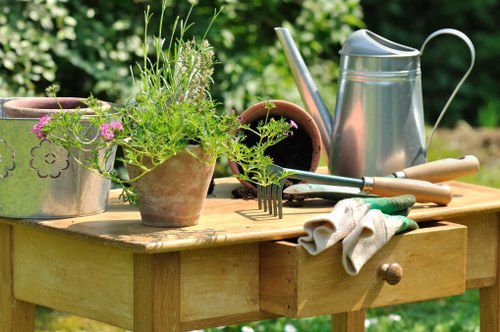
Customers often want to know what will happen when the team arrives. In most cases, work begins with setting out the agreed plan, protecting nearby surfaces where needed, and preparing the area so the task can be completed efficiently. If access is tight or materials need to be brought through a side passage, rear lane, or shared entry, that is usually factored in beforehand to keep disruption down.
The practical approach will depend on the project. A planting job may involve soil preparation, careful placement of plants, and finishing touches such as mulch or edging. A turfing project may include clearing old grass, levelling the surface, improving the base, and laying fresh turf in neat sections. For larger or more detailed jobs, the work may be carried out in stages to ensure everything is planted and finished correctly.
Professional soft landscaping should leave your property tidy and ready for the next phase of care. That means waste from cleared plants, soil, or packaging should be managed appropriately, and you should be left with clear guidance on how to look after the new features. If you want a clean, organised result with minimal hassle, it helps to choose a team that works methodically and respects the property.
Preparation checklist for customers
To make the process smoother, it helps to prepare a few things before work begins. You do not need to do everything yourself, but a little planning can save time and reduce confusion on the day. This is especially useful in Uxbridge areas where parking and access can be difficult or where the garden is only reachable through narrow side access.
Helpful steps before your soft landscaping project
- Clear away personal items, pots, furniture, and toys from the work area where possible.
- Tell the team about any access limitations, gates, pets, or shared entry points.
- Highlight drains, utility covers, irrigation lines, or fragile features that should be protected.
- Consider how you want the space to be used: relaxing, family use, privacy, or low maintenance.
- Share any plant preferences or concerns about allergies, shade, or pets.
- Make space for materials or a temporary drop-off area if parking is limited.
It can also help to think about the long-term level of care you want. Some customers are happy to water and prune regularly; others want a design that stays tidy with minimal effort. Being clear about this from the start helps shape the right planting selection and layout. Soft landscaping works best when the design matches real-life use, not just visual preference.
If you are unsure about anything, ask before the work starts. Questions about plant choice, lawn care, watering, soil, and ongoing maintenance are normal, and a good local service should be able to explain the practical side clearly.
Pricing factors to consider
Because soft landscaping projects vary so much, the cost is usually influenced by several factors rather than a single fixed element. The size of the area, the type of planting, the condition of the soil, the level of preparation required, and access to the site all affect how much work is involved. A simple refresh of a front border will naturally be different from a full rear-garden planting scheme or a large commercial frontage installation.
Other pricing factors can include the amount of waste that needs to be removed, whether new topsoil is required, if drainage improvements are needed before planting, and how much aftercare support is requested. Some projects are best completed in one visit, while others may be phased to suit the season or the property’s access arrangements.
Rather than focusing on a rough online estimate, it is usually better to request a tailored quotation. That allows the work to be assessed properly and gives you a clearer idea of what is included. If you are comparing options, ask what preparation, materials, labour, and finishing touches are covered so that you can make an informed decision.
Why choose a local company for soft landscaping in Uxbridge?
There are good reasons to use a local company rather than a distant provider. Local teams are easier to schedule, quicker to respond, and more familiar with the layouts, access issues, and property styles common in the area. That can make a noticeable difference when materials need to be delivered, when parking is limited, or when work needs to be done with minimal disturbance to neighbours or nearby businesses.
A local service is also more likely to understand what customers in Uxbridge actually want from their gardens and outdoor areas. Some want a practical family space. Some want a tidy, low-maintenance frontage. Others are focused on a welcoming entrance, better privacy, or making a commercial property look more polished. Because the service is close to the area, it can be more responsive to these different needs.
Benefits of choosing local include:
- Better understanding of local property layouts and access constraints
- More practical scheduling for site visits and project work
- Greater awareness of local soil, shade, and drainage issues
- Support for both residential and commercial outdoor spaces
- A more personal, flexible approach to planning and delivery
For many customers, that local knowledge is what turns a basic planting job into a garden that genuinely works for the property. It can also reduce avoidable issues later on, which is helpful if you want a result that stays attractive with reasonable upkeep.
Areas covered around Uxbridge
Soft landscaping services in Uxbridge often extend into surrounding neighbourhoods and nearby communities where homes and businesses face similar outdoor challenges. That can include residential streets, newer housing developments, commercial premises, and shared outdoor spaces across west London and nearby parts of Buckinghamshire and Greater London borders.
Typical nearby areas may include:
- Hillingdon
- Cowley
- Ickenham
- Hayes
- West Drayton
- Northolt
- Ruislip
- Yiewsley
- Longford and nearby business areas
If you are not sure whether your property is covered, it is worth asking when you request a quote. A local team can usually say quickly whether your area is within the normal service route and whether your access or site conditions create any special considerations.
Frequently asked questions
How is soft landscaping different from gardening?
Gardening is often used to describe maintenance, trimming, and general care. Soft landscaping usually refers to the installation or reshaping of the living parts of an outdoor space, such as lawns, plants, borders, hedges, and soil preparation.
Can soft landscaping work in a small garden?
Yes. In fact, smaller gardens often benefit greatly from careful planting, because the right layout can make the area feel larger, tidier, and more usable. Compact spaces usually need thoughtful plant selection and good structure.
What if my soil is poor or heavy clay?
That is common in many areas. Soil can usually be improved before planting starts, and the plant selection can be adjusted to suit the ground conditions. Good preparation is often the key to success.
Do you handle low-maintenance designs?
Yes, low-maintenance options are a common request. These usually focus on hardy planting, simpler layouts, reduced lawn area, and features that are easier to care for through the year.
Can you help with front gardens and entrances?
Absolutely. Front gardens and entrance areas are often a priority because they shape the first impression of the property. Small planting updates can make these spaces look much more welcoming and well kept.
Is this suitable for commercial premises as well as homes?
Yes. Soft landscaping can be adapted for office sites, retail properties, communal areas, rental stock, and other commercial spaces that need a clean and professional appearance.
Ready to improve your outdoor space?
If your garden, frontage, or communal outdoor area needs new planting, better lawn coverage, improved soil, or a more polished finish, soft landscaping in Uxbridge can provide the transformation you are looking for. The right approach can make a space feel more attractive, more usable, and easier to care for through the seasons.
Whether you need a full refresh or a targeted improvement, a local service can help you choose practical options that suit the property, the location, and the way you use the space. Contact us today to discuss your project, request a free quote, or book your service now and get started on a garden or frontage that feels properly finished.
Small details that make a big difference
Sometimes the most effective improvements are the simplest ones: a cleaner border line, healthier turf, better plant spacing, or a more balanced mix of evergreen and seasonal planting. These details help soften the hard edges of a property and create a more welcoming setting.
Final thought for local customers
If you are comparing options, focus on practical fit as well as appearance. The best result is one that suits your access, light, soil, budget, and maintenance needs. That is especially true for busy homes and commercial properties in and around Uxbridge, where a well-planned soft landscape can add real day-to-day value.